No. 1: The Danger of Nostalgia
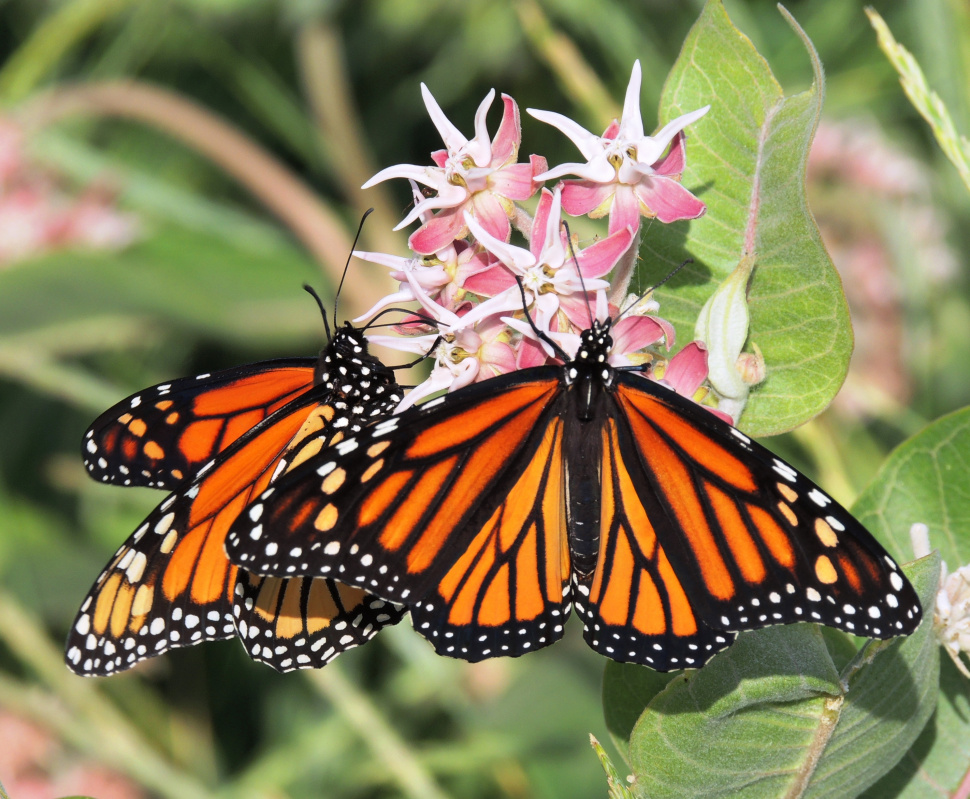
Even if we didn’t grow up with a yard, chances are that we
remember a critter that we connected with in a creek, at the park, in the
woods, on the playground. Take a moment. Think back. What’s yours? Ranchers,
politicians, biologists, farmers, businessmen, teachers, you name it, we all
have one. We have memories about the number of fish in the creek, the rabbits
and foxes darting just out of sight, about how stinky the creek was when the
lamprey spawned, or how many toads we caught as a kid. An invasion of lady
bugs, the hordes of fireflies, or the bats that lived in the attic. It's
something we all have in common, no matter our background. No matter if we were nice to the wild things or not-so-nice. They informed our childhood. We had a relationship with them.
For me it's the monarch. Growing up in the upper Midwest
meant many, many monarchs. They were a commonplace sight, but beautiful every
time. I can still see them now floating through the air while I rode my bike
through the neighborhood…..ahhhh…..childhood summers.
I realized a couple of years ago, as I was walking a
property with a landowner for work that all of these landowner conversations had hints of
nostalgia and many of the stories ended "yeah, we saw lots of them as
kids....you just don't see 'em like that anymore." And I realized my
monarch memory ended the same way.
We are too close, dangerously close, to too many animals
being remembered with nostalgia, as though its an inevitable outcome. One that
we’ve accepted because for whatever reason, things just aren’t the way they
used to be.
Nostalgia is appropriate for fads in pop culture, be it chia
pets, pet rocks, jelly bracelets, the Muppet Show, MTV, the Spice Girls. It’s
good for memories like sleepovers with your best friends, the scent of your
grandma’s kitchen, or the feeling of your first kiss. Nostalgia comes with a whisper of sad
acceptance that we can’t have it ever again. Nostalgia is not an appropriate feeling for the wild things.
We cannot afford to be nostalgic about our
wildlife.
There is no reason why any of the critters that we loved as
children should not be here today. And the fact that we remember so many of
them with nostalgia is alarming, signaling that all is not right in the world.
Wildlife play important roles in the workings of the world;
the world that sustains us. Some roles we don’t yet understand, while others we
do. Their presence means nature and the planet are rolling along like they
should be and keeping us happy and healthy at the same time.
When it comes to the wild things,don't cave to the sweet song of nostalgia.
If you liked all the frogs you saw when you were young, go out and help a frog cross the road like these dedicated folks.
Everyone makes a difference. If you have
wet spot in your yard, add some native plants, be careful with mowing, and keep
an eye out. They’ll find it. If you liked butterflies, plant native plants that
butterfly’s love. If you don’t have a yard, find a group that is working on the
local creek for fish or planting native trees. Take it from this biologist whom
worked in the most urban district of her state. It really does matter. If you
can’t get to the creek, write your elected official or sign a petition. Let someone who has the passion, the time, and
the know-how to use your name and your comments to their maximum benefit.
In it’s
worst form nostalgia is apathy and sometimes I worry we have
become too comfortable to care; ready for wistful nostalgia to let us off the
hook. The gateway to apathy, I have realized, is nostalgia.
Comments
Post a Comment